Designing Outdoor Control Panels and 5 Pitfalls to Avoid
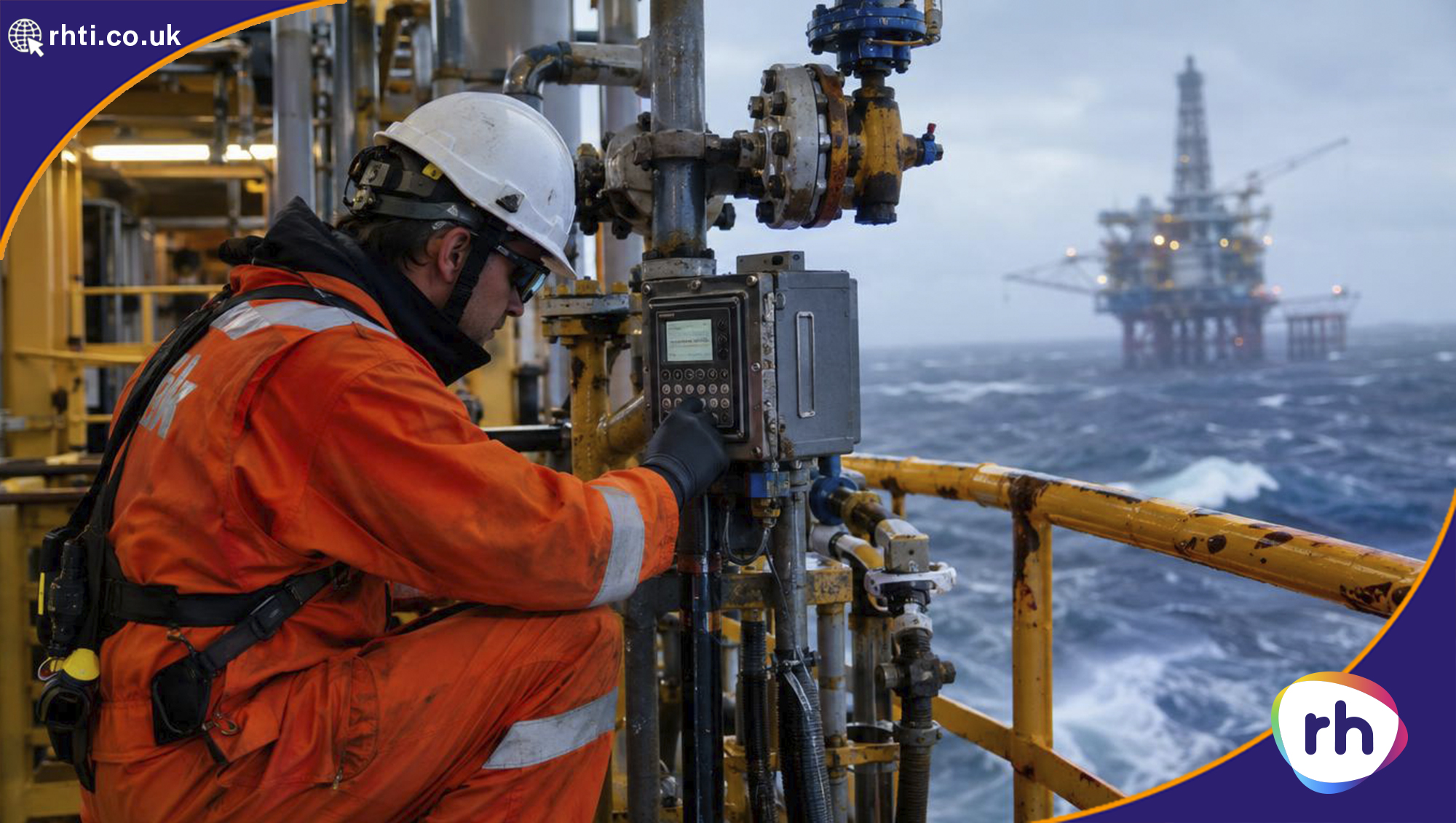
When you build Outdoor Control Panels, failure is never an option. Designing equipment for the great outdoors is tough. Your human-machine interface (HMI) faces relentless rain, baking sun, freezing cold, and rough daily use. A broken control panel leads to costly field service calls, angry customers, and a damaged brand reputation.
If you are an engineer working on a new industrial tool, a marine console, or outdoor leisure equipment, you know the design pressures. You need a reliable manufacturing partner who understands how components interact with harsh environments from day one.
Let’s look at the top five reasons Outdoor Control Panels fail, and how you can prevent these issues before you lock in your final drawings.
1. Water Ingress
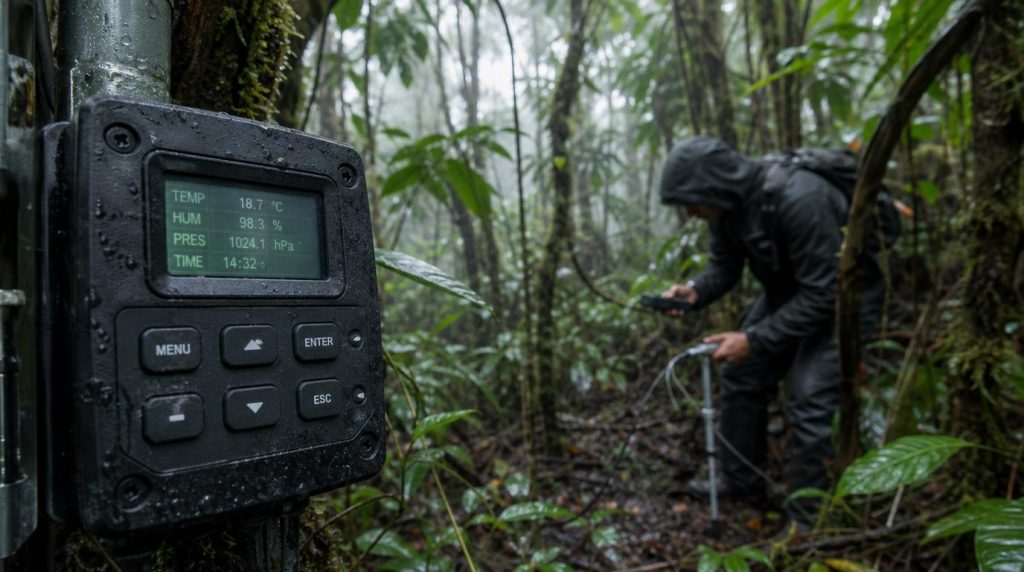
Moisture is the number one enemy of electronics. Rain, heavy condensation, and high-pressure washing force water past weak seals. Once moisture touches your printed circuit board (PCB), short circuits happen fast.
How to prevent it:
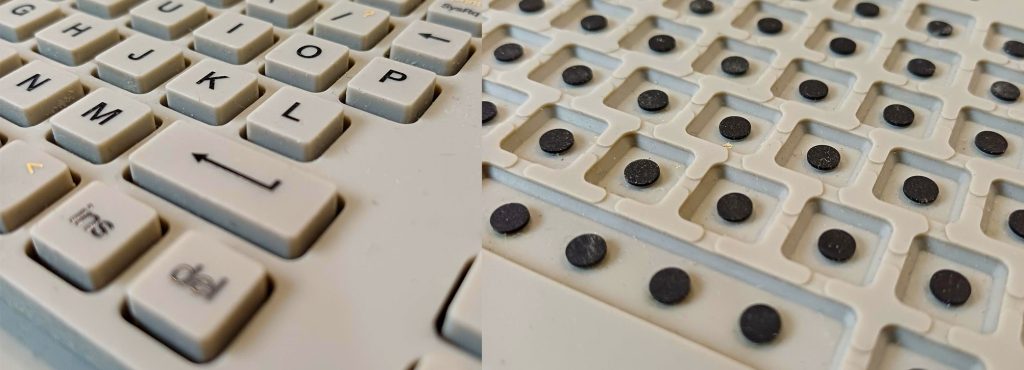
Do not rely on standard adhesive gaskets alone. Instead, design your Outdoor Control Panels with custom silicone rubber keypads. A moulded silicone keypad acts as a continuous gasket. It wraps completely around the switch matrix, locking out water and dust. Look for designs that feature robust silicone webbing to create a waterproof barrier around every single button.
2. UV Degradation
Outdoor equipment sits under the blazing sun for hours. Ultraviolet (UV) radiation attacks standard plastics and inks. Over time, plastic overlays turn brittle, crack, and fade. If your operators cannot read the button legends, your machine becomes useless.
How to prevent it:
Material selection matters. Specify UV-stabilised graphic overlays and polyester or polycarbonate films built for exterior exposure. Furthermore, high-grade silicone keypads naturally resist UV radiation far better than cheap commodity plastics. Protect your printed graphics with specialised hard-coats that block UV damage and stop yellowing in its tracks.
3. Chemical Attack
Outdoor machinery encounters aggressive fluids. Think of agricultural sprayers exposed to harsh fertilisers, marine equipment splashed by salt water, or industrial controls wiped down with heavy-duty cleaning solvents. These chemicals eat away at low-grade adhesives and faceplates.
How to prevent it:
Choose materials with proven chemical resistance. Silicone rubber stands up exceptionally well to oils, fuels, and cleaning agents. When designing your Outdoor Control Panels, test your overlay and keypad materials against the exact chemicals your equipment will face in the field. A custom manufacturer like RH Technical Industries can guide you toward chemical-resistant substrates that maintain their integrity over years of heavy use.
4. Adhesive Failure
You can pick the best graphic overlay in the world, but it will peel off if the adhesive fails. Rapid temperature swings, from freezing winter nights to blazing summer afternoons, cause materials to expand and contract. This thermal shock stresses the glue bond until it lifts at the edges.
How to prevent it:
Match your adhesive to your specific substrate and environment. Acrylic-based transfer tapes work well on smooth metals, but textured plastics or low-surface-energy mouldings require high-tack, high-bond formulations. Work with your interface partner early to test peel strength under thermal cycling. Proper surface preparation and correct adhesive selection ensure your overlay stays firmly attached for the life of the product.
5. Poor Material Selection
Many design engineers make the mistake of using indoor-grade components for outdoor products. They try to save a little money upfront, only to pay heavily later in warranty claims. Indoor plastics lack the temperature range and impact strength required for rugged environments.
How to prevent it:
Design for the worst-case scenario. High-quality silicone keypads boast an operating temperature range from -40°C to +150°C. They do not freeze solid in winter or melt in direct summer heat. Inside the keypad, conductive pills provide reliable electrical contact cycle after cycle, while maintaining a crisp tactile response.

Why Silicone Keypads Win for Outdoor Leisure and Industrial Controls
Whether you build factory automation systems, field research equipment or North Sea drilling platforms user feedback is vital. Operators often wear thick personal protective equipment (PPE) like heavy work gloves. They might operate equipment in the dark or in pouring rain.
Standard flat touchscreens frequently fail in these conditions because water droplets trigger false touches, and thick gloves block capacitive sensors.
Membrane Switch and Silicone Rubber Keypad solutions solve this problem brilliantly:
- Tactile Response: Operators feel a physical snap when they press a button, even through thick work gloves.
- Conductive Pills: Carbon or gold pills moulded into the silicone ensure clean electrical closure every time.
- Sealing and Durability: The flexible rubber mat protects internal electronics while offering millions of actuations without wearing out.
Partner with RH Technical Industries Early
Choosing the right components shouldn’t happen at the end of your design cycle. By collaborating with an experienced UK manufacturer like RH Technical Industries before you finalise your blueprints, you eliminate costly redesigns.
We help design engineers solve complex human-machine interface challenges every day. From custom membrane switches and graphic overlays to rugged silicone rubber keypads, we build Outdoor Control Panels that stand the test of time.
Ready to protect your next outdoor product from water, UV rays, and extreme temperatures? Get in touch with our engineering team today to discuss your project requirements or request free print samples. Let’s build an indestructible partnership!